
 Free Tracked UK Delivery
 Hassle Free Returns
 Next Working Day OPTION
 Found It Cheaper?




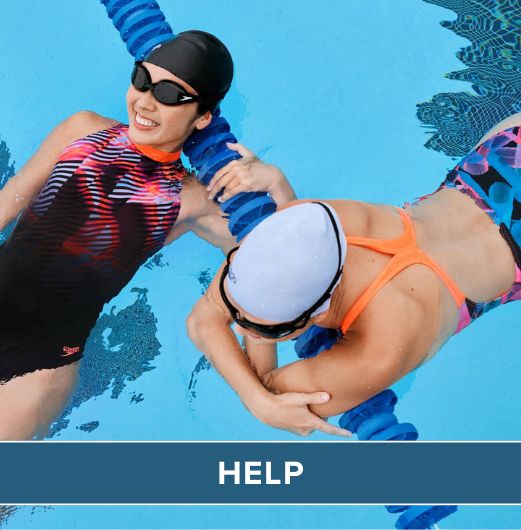
If your swimsuit seems to lose its shape after only a few swims you are not imagining it. Baggy straps sagging bottoms and loose fabric are very common issues especially for regular pool swimmers. In most cases this is not just poor quality swimwear. It is usually caused by how the fabric reacts to water chemicals heat and everyday care habits.
Understanding what causes swimwear to stretch out will help you extend its lifespan significantly.

https://www.simplyswim.com/collections/speedo
Chlorine is the Main Cause of Baggy Swimwear
The biggest reason swimwear loses its shape is chlorine.
Pool water contains chlorine to keep it hygienic but it is very harsh on elastic fibres such as elastane also known as Lycra or spandex. These fibres give swimwear its stretch and ability to recover its shape.
Over time chlorine breaks down these fibres. At first the change is small and your swimsuit may feel slightly looser. After repeated exposure the fabric stops bouncing back properly which leads to sagging and bagginess.
The more often you swim the faster this happens.

https://www.simplyswim.com/collections/zoggs
Heat Damage from Washing and Hot Water
Heat is another major cause of swimwear damage.
Swimwear is not designed for hot washing machines. tumble dryers or hot water rinses. High temperatures weaken elastic fibres and speed up their breakdown.
Hot tubs and very warm pool water can also contribute to gradual damage.
Once heat has weakened the elastic structure the swimsuit loses its ability to hold its original shape. This damage is usually permanent.

https://www.simplyswim.com/collections/arena
Poor Aftercare Habits
How you treat your swimwear after swimming has a big impact on how long it lasts.
Leaving a wet swimsuit in a gym bag or wrapped in a towel for hours allows chlorine salt sweat and oils to stay in the fabric. These continue to break down fibres even after you have left the pool.
Common mistakes include:
- Not rinsing after swimming
- Leaving swimwear damp in a bag
- Wringing the fabric aggressively
- Drying in direct sunlight for long periods
These habits all shorten the life of your swimwear.

https://www.simplyswim.com/collections/funkita
https://www.simplyswim.com/collections/funky-trunks
How to Stop Swimwear Going Baggy
Rinse Immediately After Swimming
Always rinse your swimwear in cold fresh water as soon as possible after use. This removes chlorine before it can continue damaging the fibres.
This is the most important step.
Avoid Heat Completely
Never use hot water washing machines tumble dryers or radiators.
Instead:
- Gently squeeze out excess water without wringing
- Lay flat to dry
- Dry in the shade away from direct sunlight
Heat is one of the fastest ways to destroy elasticity.
Rotate Your Swimwear
If you swim regularly avoid using the same swimsuit every time. Rotating between two or more suits allows each one time to recover its shape.
Elastic fibres need time to relax and recover after being stretched.
Use Gentle Care Products
If you hand wash swimwear use a mild detergent designed for delicate fabrics. Harsh detergents can weaken fibres over time.
Avoid fabric softeners as they can coat fibres and reduce elasticity.
Dry Correctly
Always air dry swimwear flat rather than hanging it up. Hanging a wet swimsuit can stretch the fabric further.
Shade drying is best because strong sunlight can also weaken fibres over time.

https://www.simplyswim.com/collections/tyr
Choosing Swimwear That Lasts Longer
If you swim often it is worth choosing chlorine resistant swimwear.
These are usually made from polyester based fabrics such as PBT which are far more resistant to chlorine than standard elastane blends.
Benefits include:
- Longer lasting shape
- Better resistance to chlorine damage
- Improved durability for frequent swimming
They may feel slightly different to standard Lycra suits but they last significantly longer for regular pool use.