
 Free Tracked UK Delivery
 Hassle Free Returns
 Next Working Day OPTION
 Found It Cheaper?




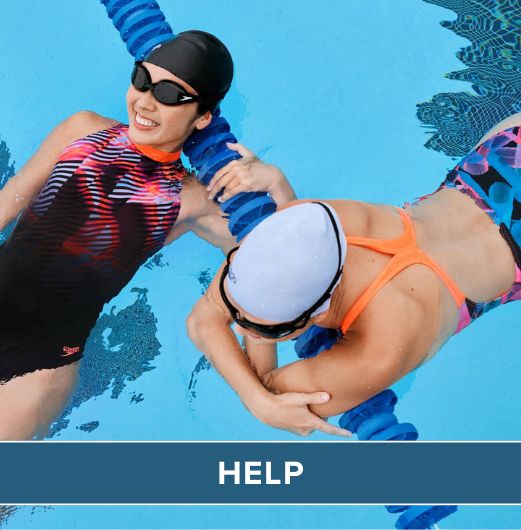

Swimming in a busy public pool is not simply a test of fitness or technique. It is also a fascinating exercise in human behaviour. Put several swimmers into a confined lane and, without anyone explaining the rules, a surprisingly complex social system emerges.
Who goes first? When should you overtake? How close is too close? And why does one swimmer suddenly speed up when you have spent three lengths carefully catching them?
Lane etiquette is rarely written down in full, yet experienced swimmers seem to understand it instinctively. Much of it comes down to psychology.

Reading the lane
Before starting a swim, people unconsciously assess everyone else in the water. Is this a fast lane? Are swimmers doing continuous lengths? Is someone stopping frequently? Who appears to be swimming at a similar pace?
This quick assessment helps establish the unspoken hierarchy of the lane. Choosing the right lane is one of the simplest ways to avoid frustration. A swimmer who consistently occupies a fast lane despite swimming slowly can disrupt the rhythm of everyone around them, while someone who moves into a lane that is too fast may spend the session constantly trying to keep up.

The psychology of overtaking
Overtaking can feel surprisingly awkward. Even confident swimmers can hesitate before passing someone, particularly in a narrow lane where personal space is limited.
The usual etiquette is to tap the foot lightly, move past when there is sufficient space and avoid attempting an overtake immediately before the wall. The swimmer being overtaken should maintain their pace rather than suddenly accelerating.
That last point is where psychology becomes interesting. Nobody likes feeling as though they are being challenged, even when the other swimmer is simply trying to maintain their training pace.

Circle swimming creates its own social rhythm
When a lane becomes busy, swimmers often adopt circle swimming, keeping to one side of the lane and following the swimmer ahead. Done properly, several people can share a lane without constantly colliding.
It works because everyone follows the same predictable pattern. In psychological terms, predictability reduces uncertainty. You know where the next swimmer is likely to be, which makes the whole experience feel more controlled.
The same principle applies to drafting, where a swimmer follows closely behind another to reduce resistance. It can be useful during training, but following too closely without awareness can feel intrusive. Good lane etiquette depends on recognising the difference.

Equipment can help, too
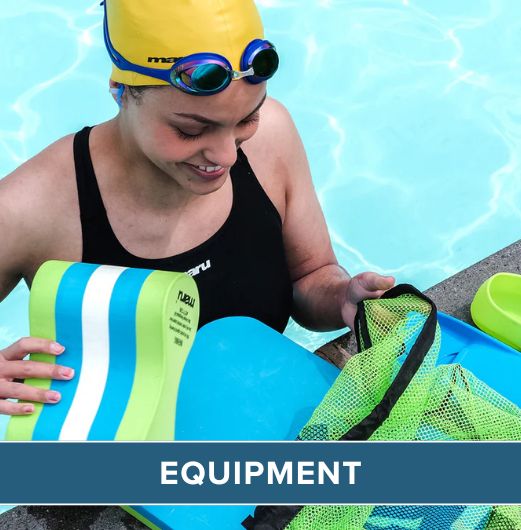
Training equipment can make a busy lane more complicated if it is used without considering other swimmers. Pull buoys, training snorkels, fins and kickboards all have a place in structured swim sessions, but they take up additional space and can alter a swimmer's speed or stroke pattern.
Used thoughtfully, however, they are excellent tools for focused training. Keeping equipment close to the end of the lane and checking the space around you before using it helps everyone maintain their rhythm.
The unwritten rules that keep everyone swimming
Good lane etiquette is ultimately about awareness. Watch the swimmers around you. Choose a lane that matches your pace. Maintain a predictable rhythm. Give people space. Communicate when necessary.
The interesting thing is that none of these behaviours requires advanced swimming ability. They require observation, consideration and an understanding of how other people behave.
Perhaps that is why a busy swimming pool is such an intriguing social environment. Beneath the surface, every lane has its own little system of cooperation, competition, personal space and negotiation.
Learning to swim well is one skill. Learning how to share the water well is another.